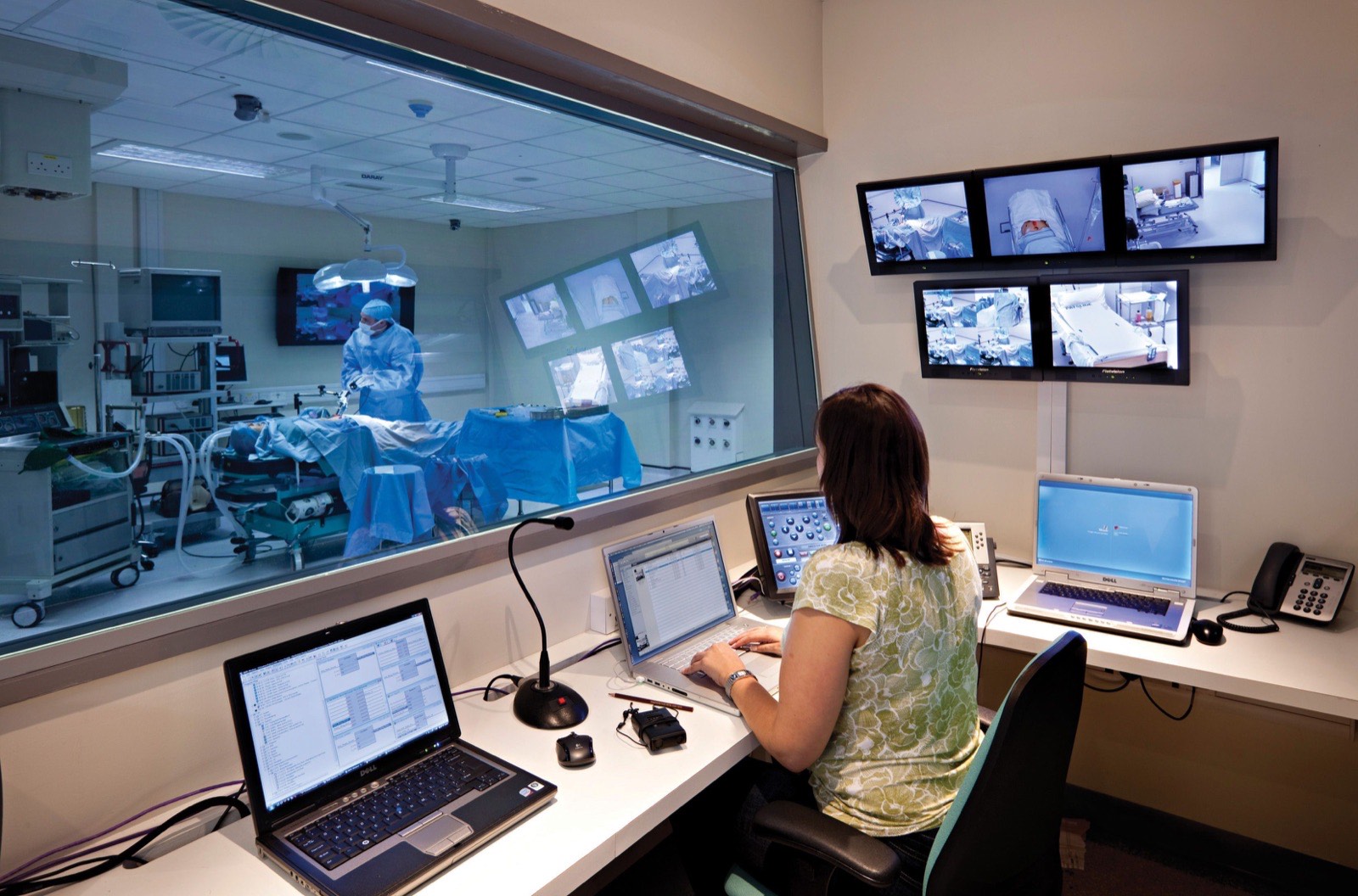

The real problem gets examined
We follow the process as it actually runs, write down where it breaks and what that costs, then choose the technology.
Forward Deployed Engineering
Our engineers work closely with your product and operations teams to understand the problem in its real environment, build the appropriate solution, integrate it with existing systems and support adoption.
What it is
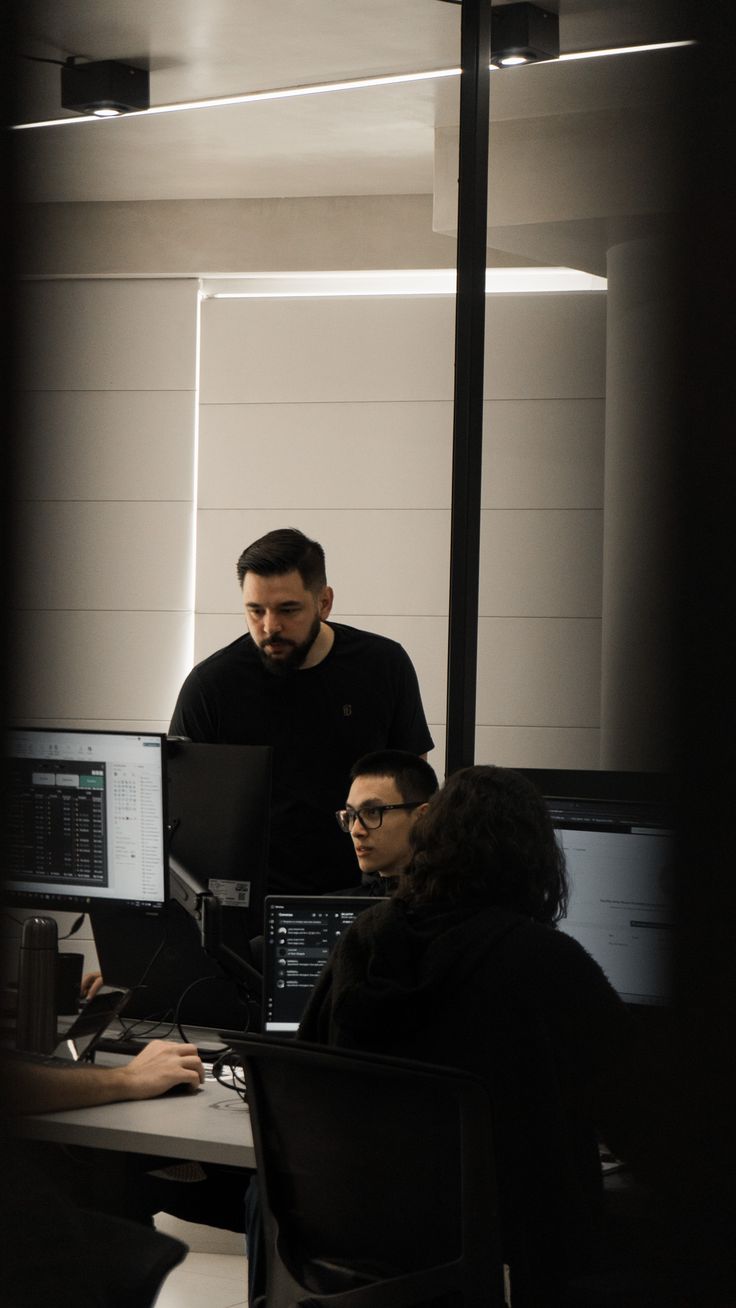
Engineers work close to the problem, with your product and operations teams, inside the real environment, rather than at a distance from a written specification. It does not mean sending engineers on-site by default.






Is it right for you
It is valuable when the problem is not yet fully understood, and unnecessary when it is.

A good fit when
The wrong fit when
The model depends on proximity, and proximity requires participation.
Discovery process

Sitting with the people who run the process, reading the tickets and messages the work generates, and listing every system it touches, including the spreadsheets nobody calls a system. No code is written.
The findings become a shortlist of things worth building, each with a stated outcome and an estimate. Some recommendations will be process changes rather than software.
After week two, the work follows five stages: Understand, Design, Build, Deploy, Improve. How we work

Benefits
We follow the process as it actually runs, write down where it breaks and what that costs, then choose the technology.
We work alongside internal engineers, product managers and operations teams. Ownership, code review and access are agreed at the start.
Where an automated decision carries financial, legal or customer impact, the design keeps a named person accountable for approving it.
Architecture notes, runbooks, environment details and known limitations are written down so your team can operate the system without us.
Industries
Example workflows. Not client claims.
Intake documents, referral routing, scheduling and records that live in too many places.
Learn moreProperty platforms, CRM follow-up, client portals and document-heavy transactions.
Learn moreShipment tracking, exception handling, reporting and handoffs between teams.
Learn moreReporting automation, reconciliation, data systems and secure client platforms.
Learn moreQuestions
Anything else, ask us directly. Enquiries are usually answered within one working day.
No. Engineers work close to your operational context and take part in defining the solution, not only implementing tickets. It does not mean sending engineers on-site by default.
Staff augmentation adds capacity to a backlog you already own. Forward-deployed engineering shares responsibility for understanding the problem, shaping the solution, integrating it and supporting adoption.
Access to the people who do the work, a named decision-maker for scope questions, scoped credentials in the first week, and willingness to hear that part of the problem may be organisational rather than technical.
Usually with the AI Workflow Opportunity Sprint: one workflow examined in 5-7 working days, with a written answer on whether it is worth building.
Ask how the problem will be examined before a solution is proposed, who will be available to your team and when, how scope changes are handled, and what handover includes.
Discuss your project Usually answered within one working day.