



Vision BridgeTechnologies Discuss your project

Industries: Logistics

Tracking, exception handling and reporting for logistics operations

Shipment tracking, exception handling, reporting and handoffs between teams. These are workflows we can build for logistics and operations teams that have outgrown inboxes and spreadsheets.

Example workflows. Not client claims.

Operations challenges

Where logistics operations lose time

Most of the cost sits in handoffs and exceptions, not in the routine shipment. These are the patterns we look for first.

Status spread across systems

Carrier updates, internal sheets and customer emails each hold part of the shipment picture.

Exceptions handled by inbox

Delays, damage and missing items are chased through email threads with unclear ownership.

Handoffs that drop context

Work moves between warehouse, dispatch and customer service with details re-entered at each step.

Reporting rebuilt by hand

Status updates are assembled by hand for every meeting.

A warehouse worker checking stock on the shelves with a clipboard
A warehouse worker with a tablet beside stacked pallets
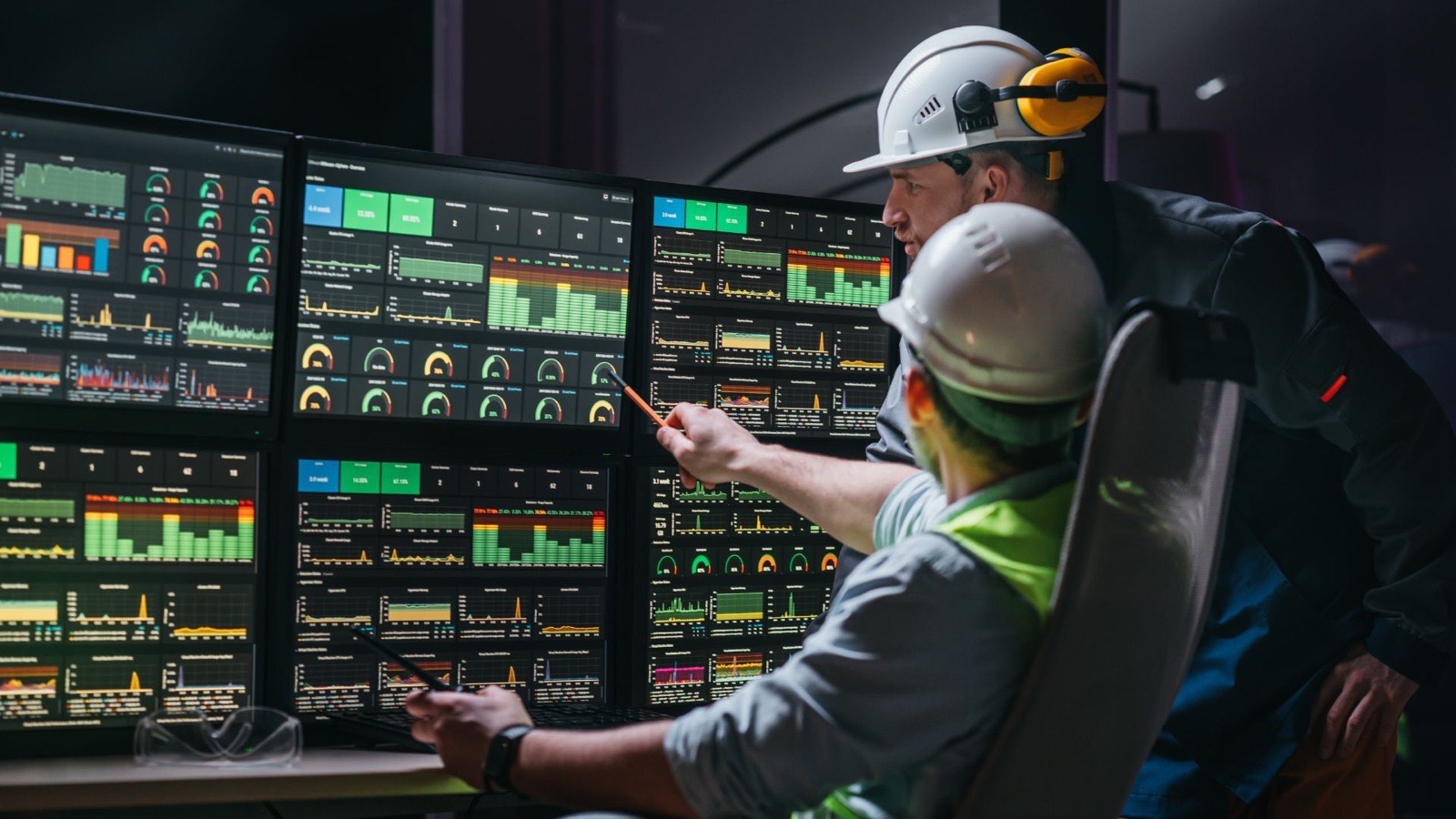
Operations staff in hard hats reviewing live dashboards in a control room
  • Operations dashboards
  • Partner and vendor portals
  • Customer portals
  • Request-management systems
  • Document processing
  • Data extraction and classification
  • Approval and reporting automation
  • Business-system integrations
  • Reporting applications
  • Admin platforms
  • Workflow management platforms
  • Third-party integrations
  • API development
  • Cloud deployment
  • Monitoring and observability

Who this is for

Where the work sits

The same problems, grouped by the people who feel them. We describe roles, not clients.

A forklift and trucks at a warehouse loading dock at sunset
01

Dispatch

The people who coordinate shipments and hand work between warehouse, carriers and customer service.

  • Tracking systems: one place to see status, ownership and exceptions.
  • Handoffs: details carried forward instead of re-entered at each step.
02

Exceptions desk

The people who chase delays, damage and missing items through email threads.

  • Exception handling: each exception routed to a named owner, with escalation when it waits too long.
03

Customer updates

The people who answer customers and partners asking where a shipment is.

  • Status updates: sent from the system of record.
  • Partner portals: a view of the shipment for the people who need it.
04

Operations and management

The people who need the weekly picture without rebuilding it by hand.

  • Reporting platforms: reports generated from the systems of record.

What we can build

Tracking systems, automation and reporting platforms

Pick the part of the operation that costs the most time. Each option maps to one of our services.

Custom Business Platforms

Tracking systems

One place to see status, ownership and exceptions, with portals for the partners and customers who need a view of it.

Typical builds

Operations dashboardsPartner and vendor portalsCustomer portalsRequest-management systems

Custom Business Platforms
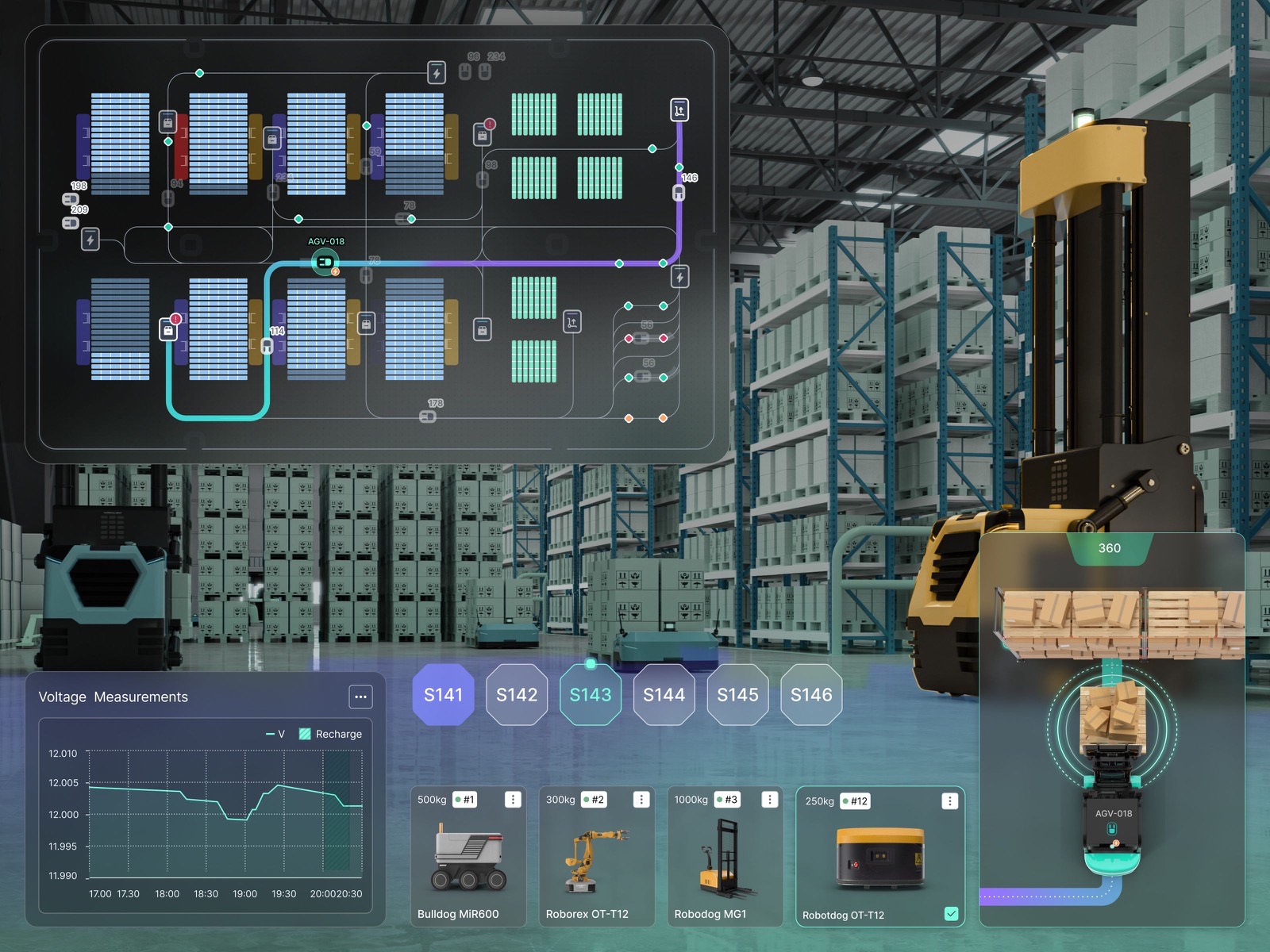
A warehouse with a digital overlay tracking pallets, racks and equipment

Example workflows

Two logistics workflows we could build

Example workflows. Not client claims. Each one is a starting shape, adjusted to your systems and rules.

Exceptions with an owner, updates without chasing

Manual steps replaced by reviewable, auditable automation, and systems that exchange data instead of relying on re-entry.

  • Shipment documents read and classified, with uncertain fields sent for review.
  • Exceptions routed to a named owner, with escalation when they wait too long.
  • Status updates sent to customers and partners from the system of record.
  • Operational reports assembled from the systems the work already lives in.
Example workflow. Not a client claim.

Exception handling

A delayed or damaged shipment becomes a tracked exception with an owner, instead of a thread in someone's inbox.

How it runs

  1. Exception raisedcarrier update, scan or email
  2. Classifydelay, damage or missing item
  3. Assignnamed owner and due time
  4. Escalation checkWaiting too long: escalate. Resolved: update the record.
  5. Notifycustomer and internal teams
Example workflow. Not a client claim.

Operations tracking platform

Partners, operations and management work from the same shipment record, each with the view they need.

Components

  1. Partner portalupdates from carriers and partners
  2. Shipment recordone status, one owner
  3. Operations dashboardexceptions and workload
  4. Reportinggenerated, not rebuilt by hand

How we work with your data

System access kept narrow and documented

Controlled system access

We request the narrowest access that allows the work to proceed, scoped to named environments and revoked at handover.

Secure credential handling

Credentials are stored in a managed secret store, never in code, tickets or chat, and are rotated when an engagement ends.

Documented handover

Architecture notes, runbooks, environment details and known limitations are written down so your team can operate the system without us.

A city at dusk seen from above, with lit highways running through it

FAQ

Logistics questions

Anything else, ask us directly. Enquiries are usually answered within one working day.

Can this connect to our carrier and warehouse systems?

Potentially, yes. Feasibility depends on the system's APIs, access model, data quality and vendor limitations. These constraints are assessed before implementation is committed.

Can we start with exception handling only?

Yes. The Opportunity Sprint assesses one important workflow before a larger automation investment. It typically takes 5 to 7 working days and tells you in writing whether the workflow is worth building.

How are system credentials handled?

Credentials are stored in a managed secret store, never in code, tickets or chat, and are rotated when an engagement ends.

Who monitors the system once it is live?

Monitoring responsibilities, response expectations, access and escalation are agreed explicitly for each engagement and documented rather than assumed.

Tell us where shipments or handoffs stall

Explain the current workflow, the people involved, the systems used and the consequence of the problem. A complete technical specification is not required.

Discuss your project Usually answered within one working day.